For global buyers in the automotive electronics industry, sourcing a reliable factory in China is both an opportunity and a challenge. China remains the world’s manufacturing hub, especially in consumer electronics and automotive infotainment systems. However, the difference between an average supplier and a truly professional manufacturer can directly impact your product quality, brand reputation, and long-term profitability.
When it comes to car radio and car stereo systems based on Android or Linux platforms, the complexity is much higher than standard electronic products. These systems integrate hardware, software, vehicle communication protocols, and user experience design. Therefore, selecting the right manufacturing partner is not simply about price—it is about technical capability, reliability, and long-term cooperation.
This article explores the sourcing process from a buyer’s perspective, combining practical procurement insights with technical evaluation methods to help you make informed decisions.
Understanding Buyer Concerns Before OEM/ODM Collaboration
Before entering an OEM or ODM partnership, most buyers go through a similar evaluation mindset.
First, product quality and long-term stability are always the top concerns. Automotive electronics operate in much harsher environments than typical consumer devices. High temperatures, humidity, vibration, and continuous operation all put pressure on system performance. Buyers worry about system lag, crashes, poor radio reception, or compatibility issues across different vehicle models.
Second, supplier credibility is often unclear at the early stage. Many companies present themselves as manufacturers, but in reality operate as trading companies. This creates uncertainty in quality control, production timelines, and after-sales support. Buyers need confidence that their partner has real production capabilities and direct control over the manufacturing process.
Third, technical capability plays a decisive role. Android and Linux-based car multimedia systems require deep integration between software and hardware. Buyers often need customization such as UI design, boot logo, CANBUS integration, wireless CarPlay, Android Auto, and regional radio tuning. Without a strong engineering team, these requirements cannot be executed properly.
Fourth, communication efficiency and project management are frequently underestimated risks. Language differences, time zones, and lack of structured processes can delay projects and lead to costly misunderstandings. Buyers prefer suppliers who can provide clear documentation, fast feedback, and professional coordination.
Fifth, cost transparency is another major concern. While China offers competitive pricing, unclear quotations, hidden fees, or unexpected development costs can affect profitability. Buyers need a partner who explains costs openly and aligns expectations from the beginning.
How to Evaluate a Car Multimedia Factory
Whether you are able to visit China in person or rely on remote communication, there are systematic ways to evaluate a supplier.
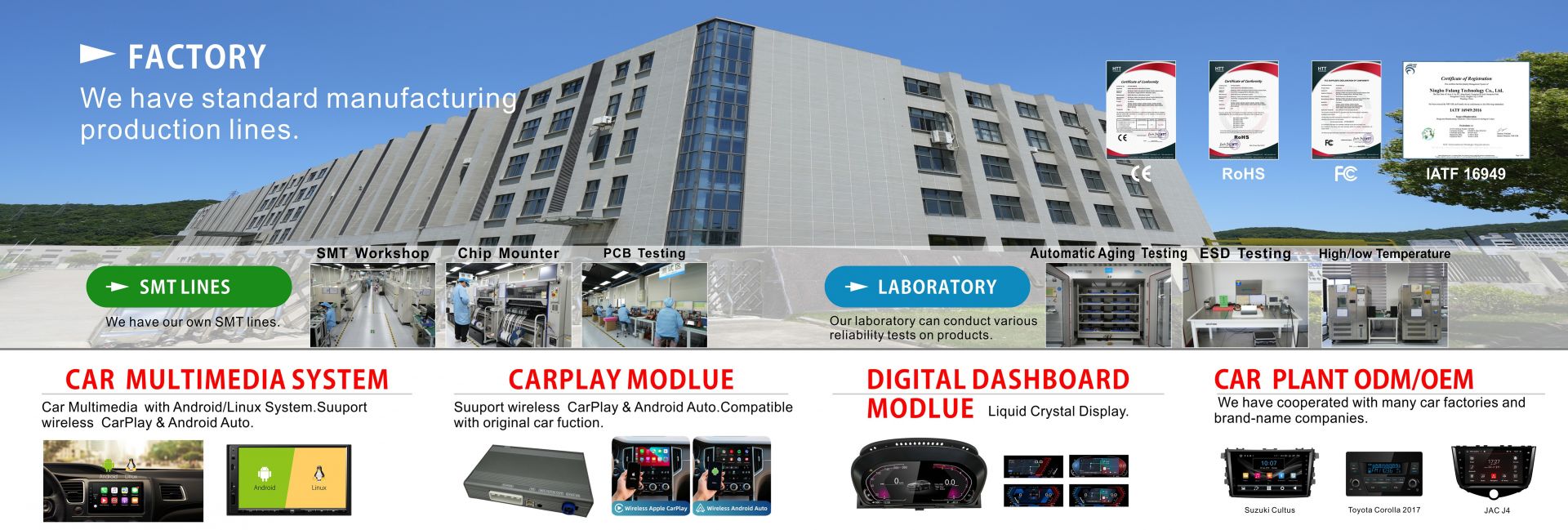
Factory verification is the first step. A genuine manufacturer should have visible infrastructure, including SMT production lines, assembly lines, testing areas, and organized warehouse management. If an on-site visit is not possible, live video calls and real production footage can provide useful insights.
Engineering strength is the second key factor. A strong factory should have dedicated teams for hardware, software, and system integration. Ask how many engineers are involved, what platforms they support, and whether they can handle deep customization. A capable supplier should be able to explain technical architecture clearly rather than only listing product features.
Testing capability is directly linked to product reliability. Professional manufacturers invest in internal laboratories for high and low temperature testing, vibration testing, EMC testing, and long-term aging tests. These are essential for automotive-grade performance.
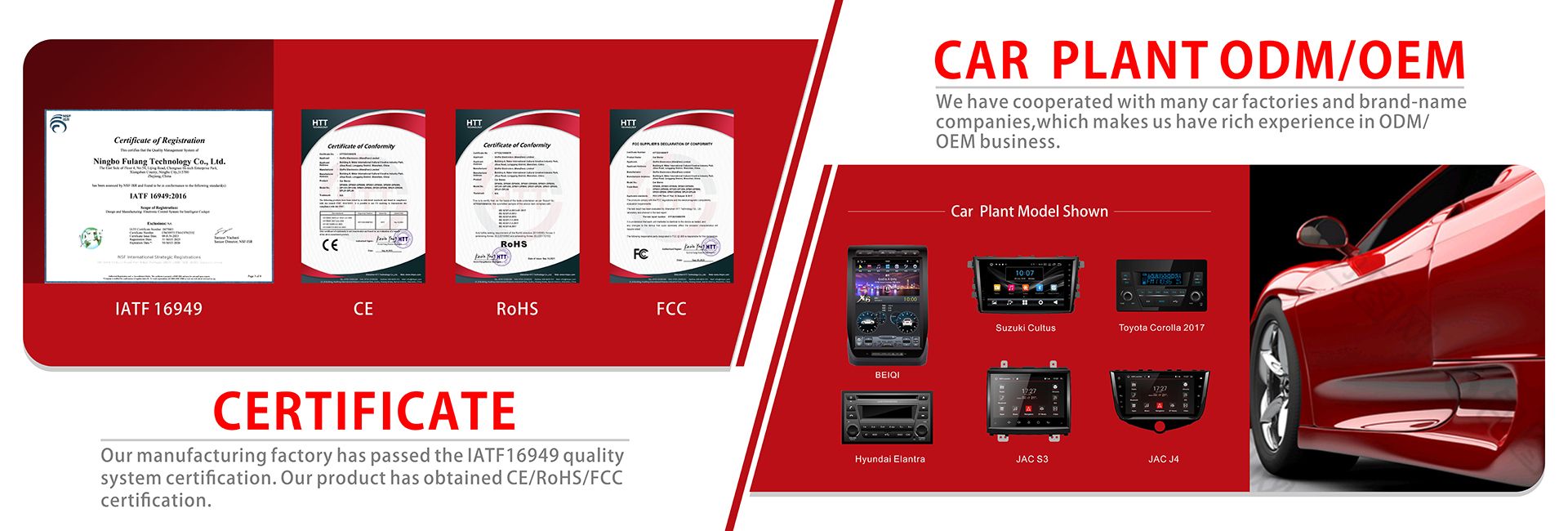
Project experience also reduces risk significantly. Suppliers with experience in overseas OEM and ODM projects understand certification requirements, user preferences, and market standards. Reviewing past projects and customer references can provide confidence.
Why Work with a Specialized Manufacturer Like Dingpei Industry
Working with a specialized manufacturer can simplify the entire process and reduce development risks.
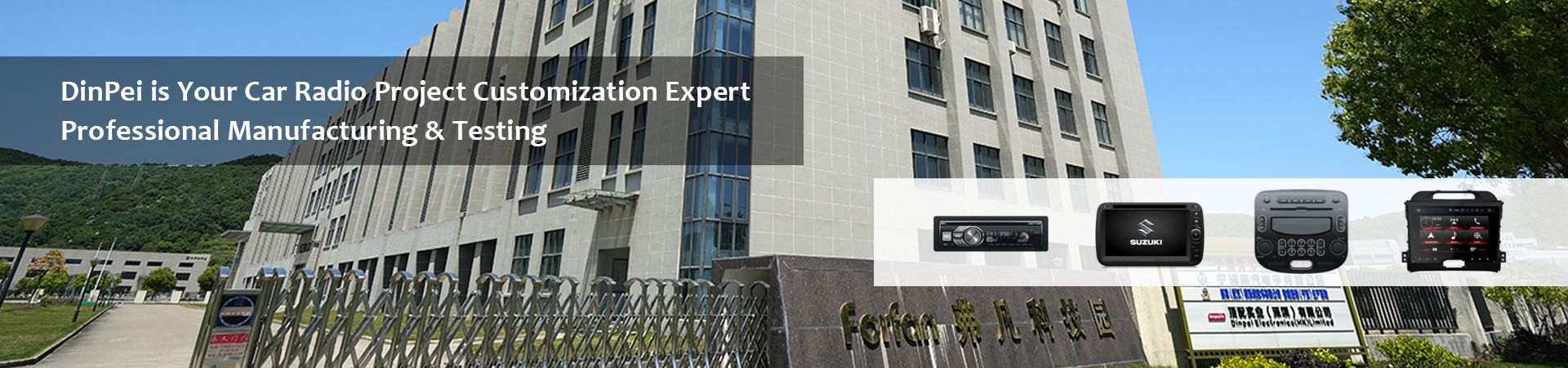
Dingpei Industry has built its foundation on strong engineering capability and structured production systems. With dedicated R&D teams and professional testing facilities, both hardware and software are validated before entering mass production.
The company has accumulated extensive project experience with international clients, including wholesalers, installers, and automotive brands. This allows Dingpei to understand different market requirements and provide tailored solutions.
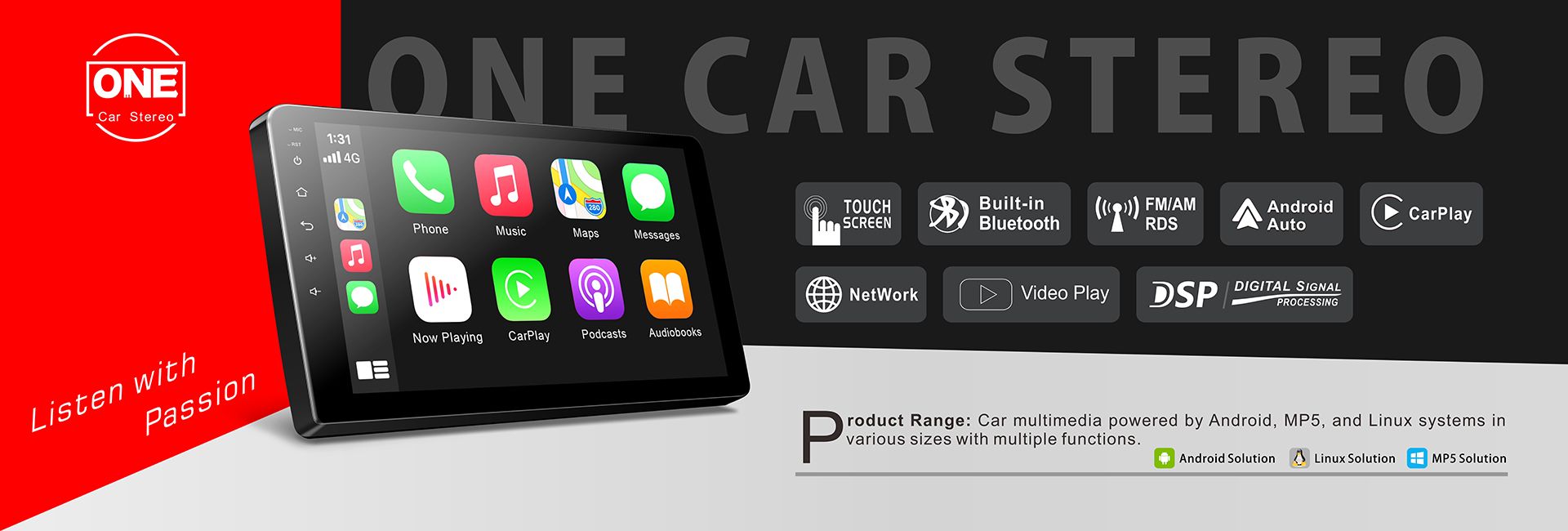
In terms of product capability, Dingpei supports full OEM and ODM development, including Android and Linux systems, wireless CarPlay and Android Auto integration, and vehicle-specific customization. From concept design to final production, the process is managed internally.
Production stability is another advantage. With in-house SMT lines and a large-scale industrial facility, Dingpei maintains control over quality and delivery timelines without relying heavily on external suppliers.
Understanding Tooling and Development Costs
Many buyers hesitate when they encounter tooling and development costs in OEM and ODM projects. These may include mold creation, software development, and customization fees.
However, these costs should be viewed as part of building a unique and competitive product. They ensure exclusivity, protect intellectual property, and allow full customization according to market needs.
In professional cooperation models, these costs are often structured as a shared investment. Once the project reaches agreed production volumes, tooling and development costs can be refunded or offset. This mechanism ensures both parties are committed to long-term success and reduces initial financial pressure.
Building a Long-Term Partnership
Selecting a factory is not a one-time transaction. It is the beginning of a long-term partnership.
A reliable manufacturer should not only deliver products but also provide continuous support, including firmware updates, technical troubleshooting, and product upgrades. As the automotive electronics market evolves rapidly, having a partner who can adapt and innovate is essential.
Buyers should also evaluate responsiveness, transparency, and willingness to collaborate. These factors often determine the success of a project more than pricing alone.
Final Thoughts
Finding the right car multimedia manufacturing partner in China requires careful evaluation, technical understanding, and strategic thinking. While cost is important, reliability, capability, and communication are equally critical.
By focusing on these key factors, buyers can reduce risks, improve product quality, and build sustainable business relationships.
Ready to Start Your Next Project
If you are planning to develop or source car radio or car stereo systems based on Android or Linux, working with an experienced partner can accelerate your success.
Dingpei Industry combines engineering expertise, production strength, and global project experience to support your business from concept to mass production. Reach out today to explore how your next product can be developed with confidence and brought to market efficiently.


 English
 Russian